How a Shopify Store Generated ₹40,000 in 10 Days by Fixing a Hidden Revenue Layer


Faheem M
Faheem M
Conversion Optimization
•
In This Guide
You’ll learn:
Why traffic is rarely the real bottleneck
How AI-powered audits expose hidden structural friction
The 4-Layer E-commerce Friction Framework
A real Shopify case example (₹40,000 in 10 days) from Conversion AB
How structured analysis compounds conversion gains
The Myth: More Traffic = More Revenue
Most Shopify brands think growth is a traffic problem.
More ads.
More influencers.
More spend.
But over the last few years, working with e-commerce brands across categories, we’ve seen something different.
Most stores don’t have a traffic problem.
They have a friction problem!
Friction inside search
Friction inside product discovery
Friction inside tracking logic
Friction inside the conversion path
And friction compounds. We generally call this a conversion problem generally.
The Moment It Became Obvious
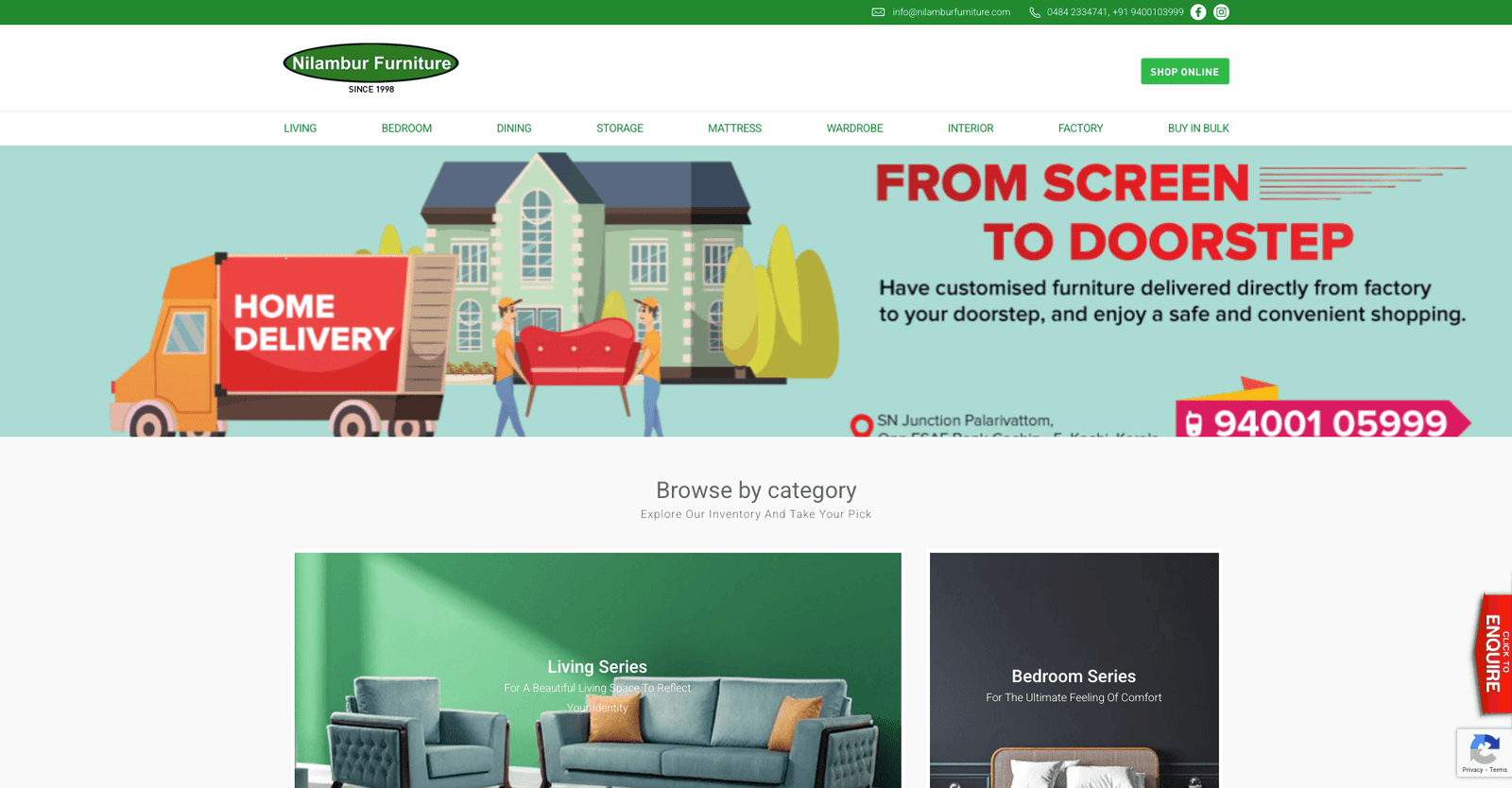
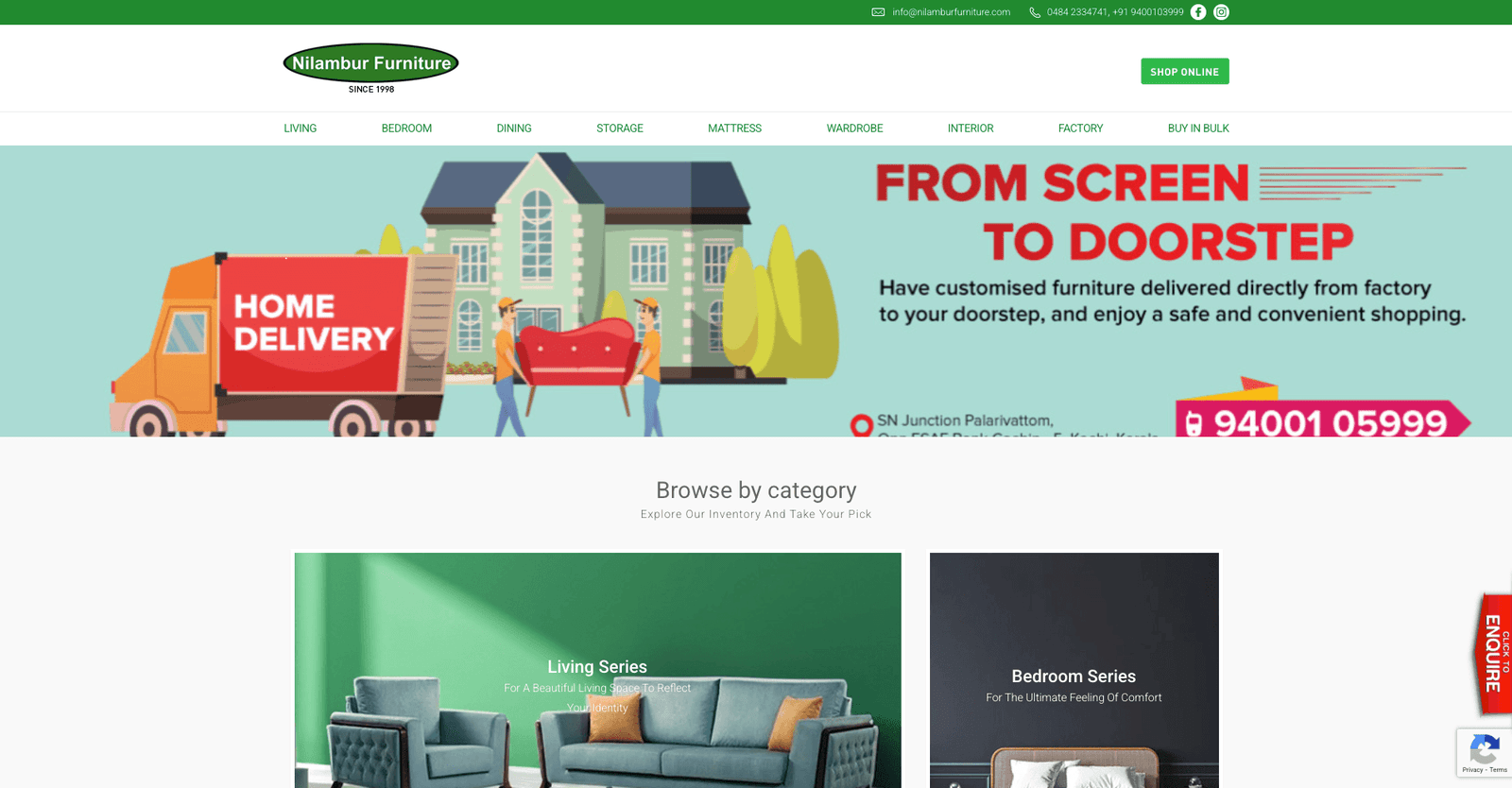
We recently worked with a premium furniture retailer, Nilambur Furniture. They are a Shopify store with offline presence, exploring the online store.
Strong traffic.
Healthy engagement.
Search was the second most-performed event on the site.
The search bar was the fourth most-clicked element on the homepage.
Revenue generated from search?
Zero.
Zero revenue.
Customers were searching.
The system wasn’t understanding them.
That’s when we ran a structured AI audit using FixMyStore.com.
Not a surface-level review.
A behavioral + structural audit.
Step 1: AI Audit Reveals the Blind Spots
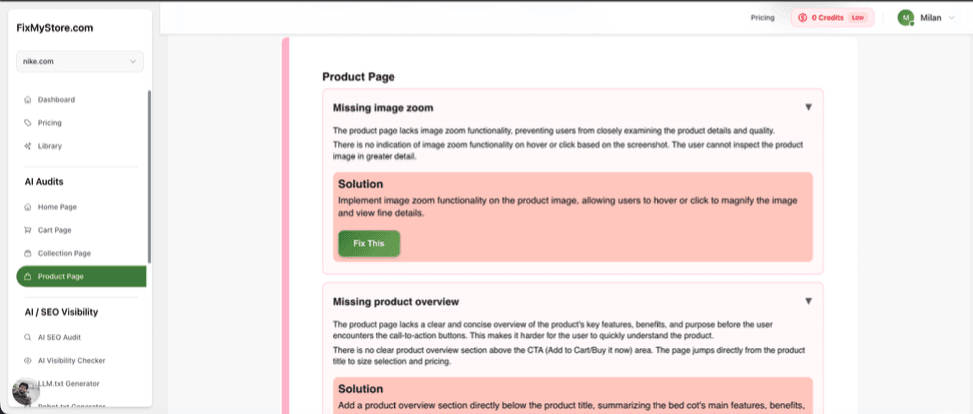
The audit revealed:
Non-exact product searches returning zero results
No synonym mapping
No intelligent autocomplete
Weak search relevancy logic
Missed intent interpretation
In short:
Customers had buying intent.
The store had literal search logic.
That gap kills conversion silently.
You can explore how structured ecommerce audits surface issues like this inside the FixMyStore.com’s Shopify AI Store audit here.
But identifying friction is only half the equation.
Step 2: Structured CRO Deep Dive
After surfacing the structural issues, we partnered with ConversionAB.com, a Shopify-only agency, to conduct a deeper analysis using GA4 data and session recordings.
The pattern was clear:
20% of visitors used search
Search generated zero revenue
The issue wasn’t traffic volume.
It was interpretation intelligence.
So instead of redesigning banners or tweaking headlines, we rebuilt the search layer using AI-powered logic:
Advanced autocomplete
Intelligent synonym mapping
Natural language search handling
Trending query signals
Relevancy optimization
This wasn’t cosmetic.
It was architectural.
The Result: Revenue Without More Traffic
Within 10 days of implementing the optimized search structure:
₹40,000 in revenue generated directly from search
₹20,000 average order value
These results are documented in the Nilambur Furniture case study.
What changed wasn’t traffic volume.
What changed was search clarity and decision architecture.
But the more important result?
Bounce rate reduced
Search-to-product flow became intuitive
Purchase intent translated into actual sales
What’s Next for Nilambur Furniture?
Improving traditional search visibility was the first layer.
The next phase focuses on something even more important:
AI visibility!
We’re currently working with Nilambur Furniture to ensure their products appear inside AI-driven search systems like:
ChatGPT
Gemini
Other answer engines
This includes:
Structured product extractability
Comparison page optimization
AI citation tracking
Prompt-level visibility analysis
Entity trust strengthening
You can explore how this works using our:
We’ll soon share a detailed breakdown of Nilambur Furniture’s AI optimization journey - what AI systems currently see, where citation gaps exist, how we’re restructuring their product data, and the early visibility gains.
Stay tuned!
The 4-Layer Ecommerce Friction Framework
Most CRO discussions focus on surface-level UI changes.
But structural growth happens when you evaluate four layers.
Layer | What It Covers | Impact on Conversion |
|---|---|---|
Discovery Layer | Search logic, internal navigation, intent mapping | Determines whether users find what they want |
Interpretation Layer | Synonyms, NLP, query relevance | Converts searches into product matches |
Measurement Layer | Tracking accuracy, pixel integrity | Prevents distorted decision-making |
Optimization Layer | Behavioral analysis + CRO | Turns clarity into revenue |
AI audits help surface gaps in the first three layers.
CRO implementation activates the fourth.
When these layers align, conversion improves without increasing traffic.
Why Most Stores Never See These Problems
Because traditional diagnostics rely on:
Surface analytics
Star ratings
App marketing claims
Plugin installs
They don’t reveal structural friction.
For example:
❌ "AI-powered search solution for better UX."
Versus:
✅ "Search engine with synonym mapping, typo tolerance, NLP-based query expansion, and dynamic relevancy ranking."
The second description is technically extractable.
The first is marketing language.
AI systems and customers respond to clarity.
That same clarity principle is why we built a structured Best Shopify Apps directory where apps are categorized, compared, and evaluated based on performance impact and ecosystem fit.
Because tool selection itself is often where friction begins.
AI Is Changing Discovery - Internally and Externally
There are two AI shifts happening right now:
AI helping users discover products inside stores
AI helping founders discover tools outside stores
Founders are now asking:
"What’s the best analytics app for high SKU stores?"
"What’s an alternative to this pop-up app?"
"Which search solution handles multilingual queries?"
When discovery becomes conversational, structured systems win.
Loose blog posts lose.
That applies to:
Internal store search
App discovery
Conversion optimization
Structure beats noise.
A Pattern We See Repeatedly
When brands move from reactive installs to structured evaluation:
They install fewer apps
They reduce overlap
They fix tracking early
They prevent attribution distortion
They remove friction before it compounds
Growth becomes operational, not accidental.
The Bigger Insight
E-commerce growth isn’t always about adding more.
Sometimes it’s about aligning layers:
Detection → Diagnosis → Deployment → Optimization
FixMyStore.com handles detection.
ConversionAB.com handles structured deployment and CRO execution.
The result isn’t hype-driven spikes.
It’s measurable efficiency.
And efficiency compounds.
In This Guide
You’ll learn:
Why traffic is rarely the real bottleneck
How AI-powered audits expose hidden structural friction
The 4-Layer E-commerce Friction Framework
A real Shopify case example (₹40,000 in 10 days) from Conversion AB
How structured analysis compounds conversion gains
The Myth: More Traffic = More Revenue
Most Shopify brands think growth is a traffic problem.

More ads.
More influencers.
More spend.
But over the last few years, working with e-commerce brands across categories, we’ve seen something different.
Most stores don’t have a traffic problem.
They have a friction problem!
Friction inside search
Friction inside product discovery
Friction inside tracking logic
Friction inside the conversion path
And friction compounds. We generally call this a conversion problem generally.
The Moment It Became Obvious
We recently worked with a premium furniture retailer, Nilambur Furniture. They are a Shopify store with offline presence, exploring the online store.

Strong traffic.
Healthy engagement.
Search was the second most-performed event on the site.
The search bar was the fourth most-clicked element on the homepage.
Revenue generated from search?
Zero.
Zero revenue.
Customers were searching.
The system wasn’t understanding them.
That’s when we ran a structured AI audit using FixMyStore.com.
Not a surface-level review.
A behavioral + structural audit.
Step 1: AI Audit Reveals the Blind Spots

The audit revealed:
Non-exact product searches returning zero results
No synonym mapping
No intelligent autocomplete
Weak search relevancy logic
Missed intent interpretation
In short:
Customers had buying intent.
The store had literal search logic.
That gap kills conversion silently.
You can explore how structured ecommerce audits surface issues like this inside the FixMyStore.com’s Shopify AI Store audit here.
But identifying friction is only half the equation.
Step 2: Structured CRO Deep Dive
After surfacing the structural issues, we partnered with ConversionAB.com, a Shopify-only agency, to conduct a deeper analysis using GA4 data and session recordings.
The pattern was clear:
20% of visitors used search
Search generated zero revenue
The issue wasn’t traffic volume.
It was interpretation intelligence.
So instead of redesigning banners or tweaking headlines, we rebuilt the search layer using AI-powered logic:
Advanced autocomplete
Intelligent synonym mapping
Natural language search handling
Trending query signals
Relevancy optimization
This wasn’t cosmetic.
It was architectural.
The Result: Revenue Without More Traffic
Within 10 days of implementing the optimized search structure:
₹40,000 in revenue generated directly from search
₹20,000 average order value
These results are documented in the Nilambur Furniture case study.
What changed wasn’t traffic volume.
What changed was search clarity and decision architecture.
But the more important result?
Bounce rate reduced
Search-to-product flow became intuitive
Purchase intent translated into actual sales
What’s Next for Nilambur Furniture?
Improving traditional search visibility was the first layer.
The next phase focuses on something even more important:
AI visibility!
We’re currently working with Nilambur Furniture to ensure their products appear inside AI-driven search systems like:
ChatGPT
Gemini
Other answer engines
This includes:
Structured product extractability
Comparison page optimization
AI citation tracking
Prompt-level visibility analysis
Entity trust strengthening
You can explore how this works using our:
We’ll soon share a detailed breakdown of Nilambur Furniture’s AI optimization journey - what AI systems currently see, where citation gaps exist, how we’re restructuring their product data, and the early visibility gains.
Stay tuned!
The 4-Layer Ecommerce Friction Framework
Most CRO discussions focus on surface-level UI changes.
But structural growth happens when you evaluate four layers.
Layer | What It Covers | Impact on Conversion |
|---|---|---|
Discovery Layer | Search logic, internal navigation, intent mapping | Determines whether users find what they want |
Interpretation Layer | Synonyms, NLP, query relevance | Converts searches into product matches |
Measurement Layer | Tracking accuracy, pixel integrity | Prevents distorted decision-making |
Optimization Layer | Behavioral analysis + CRO | Turns clarity into revenue |
AI audits help surface gaps in the first three layers.
CRO implementation activates the fourth.
When these layers align, conversion improves without increasing traffic.
Why Most Stores Never See These Problems
Because traditional diagnostics rely on:
Surface analytics
Star ratings
App marketing claims
Plugin installs
They don’t reveal structural friction.
For example:
❌ "AI-powered search solution for better UX."
Versus:
✅ "Search engine with synonym mapping, typo tolerance, NLP-based query expansion, and dynamic relevancy ranking."
The second description is technically extractable.
The first is marketing language.
AI systems and customers respond to clarity.
That same clarity principle is why we built a structured Best Shopify Apps directory where apps are categorized, compared, and evaluated based on performance impact and ecosystem fit.
Because tool selection itself is often where friction begins.
AI Is Changing Discovery - Internally and Externally
There are two AI shifts happening right now:
AI helping users discover products inside stores
AI helping founders discover tools outside stores
Founders are now asking:
"What’s the best analytics app for high SKU stores?"
"What’s an alternative to this pop-up app?"
"Which search solution handles multilingual queries?"
When discovery becomes conversational, structured systems win.
Loose blog posts lose.
That applies to:
Internal store search
App discovery
Conversion optimization
Structure beats noise.
A Pattern We See Repeatedly
When brands move from reactive installs to structured evaluation:
They install fewer apps
They reduce overlap
They fix tracking early
They prevent attribution distortion
They remove friction before it compounds
Growth becomes operational, not accidental.
The Bigger Insight
E-commerce growth isn’t always about adding more.
Sometimes it’s about aligning layers:
Detection → Diagnosis → Deployment → Optimization
FixMyStore.com handles detection.
ConversionAB.com handles structured deployment and CRO execution.
The result isn’t hype-driven spikes.
It’s measurable efficiency.
And efficiency compounds.
More Blogs Like This

How a Shopify Store Generated ₹40,000 in 10 Days by Fixing a Hidden Revenue Layer
Conversion Optimization
MORE LINKS
2025 @ The eCom Show is a brand of Golden Percentages LLP.
MORE LINKS
2025 @ The eCom Show is a brand of Golden Percentages LLP.
MORE LINKS
2025 @ The eCom Show is a brand of Golden Percentages LLP.


