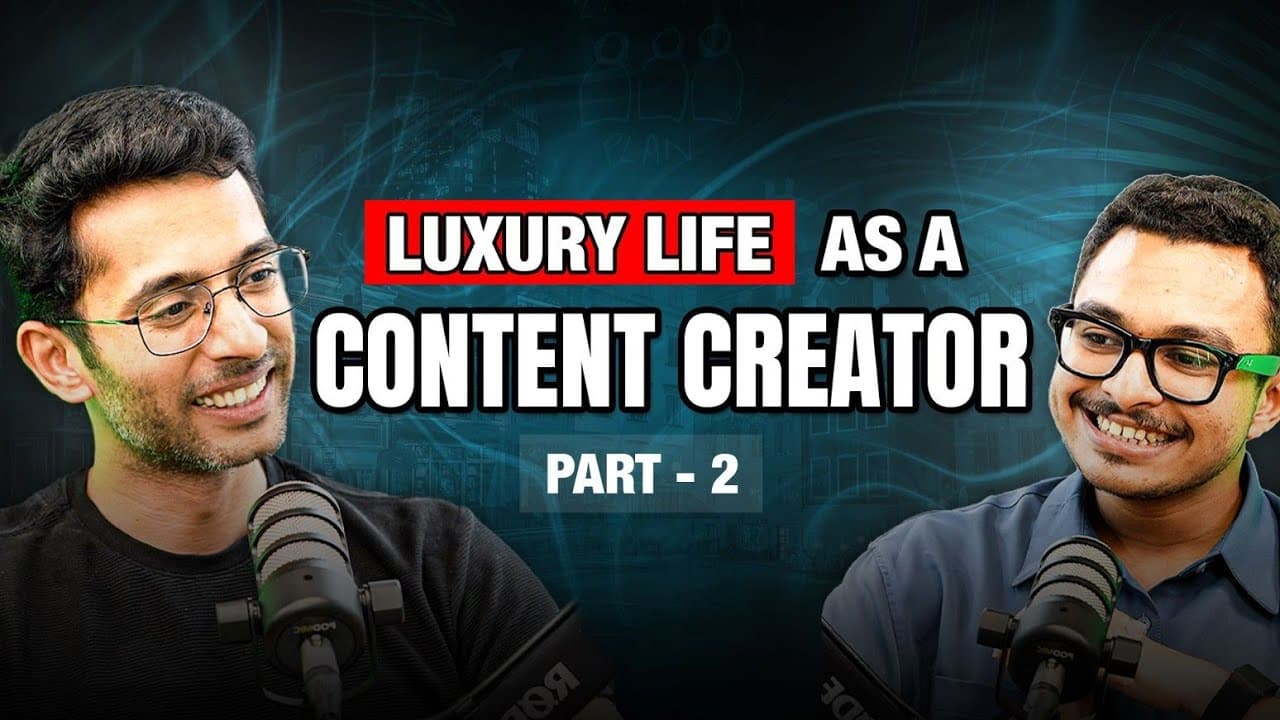
The conversation is in Malayalam. This page is an English summary of it. Watch on YouTube
About this episode
In this episode recorded in Dubai, host Shan A Salam sits down with Afiya Vasim, founder of Handmade by Afiya, alongside her husband and ecommerce consultant Vasim Salim. Afiya shares how she transitioned from structural engineering to launching a handmade craft business from home during the pandemic. After early setbacks selling generic crafts at community exhibitions, she unlocked demand by creating hand-painted, customised camels that appealed strongly to Western expatriates and tourists seeking meaningful regional souvenirs. The discussion explores obtaining Dubai's DED e-Trader licence, moving from manual Instagram DM sales to an automated website, and establishing an offline workshop studio to manage production. Vasim joins to discuss the logistical realities of supporting a home-based artisan venture, balancing family commitments with late-night deliveries, running tightly targeted local Meta ads, and surviving financial hardship. Together, they outline a vision to build a marketplace platform empowering other homemakers to monetise creative skills.
Key takeaways
- Differentiating a craft product by linking it to local cultural motifs can transform a struggling hobby into a high-demand souvenir brand.
- Exhibiting at in-person events helps identify exact customer personas and demographic preferences before spending on digital marketing.
- Transitioning from manual social media chats to an ecommerce website eliminates response delays and simplifies product customisation.
- UAE residents can legally sell handmade goods and online services using a DED e-Trader licence costing around 1,070 AED per year.
- Running hyper-local Meta ad campaigns with small initial budgets targeted by geography and interest can generate high-converting local leads.
- Spousal and family involvement in operations like material procurement and order dispatch is vital for scaling a home-based artisan brand.
Chapters
- 00:00Highlights
- 01:40Introduction
- 03:43Where Art Comes From
- 16:06Starting the Business Online
- 17:35Why They Built a Website
- 19:42Power of Customization
- 20:25A Heart-touching Customer Story
- 24:55Daily Orders via Website
- 26:25Limitations of Customized Products
- 28:39Creating a Platform for Gifting
- 29:55Launching the Offline Store
- 32:09Involving Children in the Business
- 32:39Balancing Offline and Online
- 33:04Business Location and Setup
- 35:25Where Should Homemakers Start?
- 36:43Getting a License in Dubai
- 38:49Building a System for Delivery
- 40:18Start of Part 2
- 48:08Challenges with Spousal Support
- 50:39Why We Should Support Homemakers
- 52:41Struggles as a Business Partner
- 01:00:39A Motivational Story from the Journey
- 01:05:51Finding the Right Target Audience
- 01:07:49Offering Emotional Support to Housewives
- 01:11:22Gratitude to the eCom Show Back-End Team
- 01:13:01Vaseem’s Plan to Hire Shan
- 01:15:29The eCom Show in Dubai + Conclusion
- Handmade crafts business
- DED e-Trader licence
- Ecommerce website transition
- Customised souvenir gifting
- Family entrepreneurship