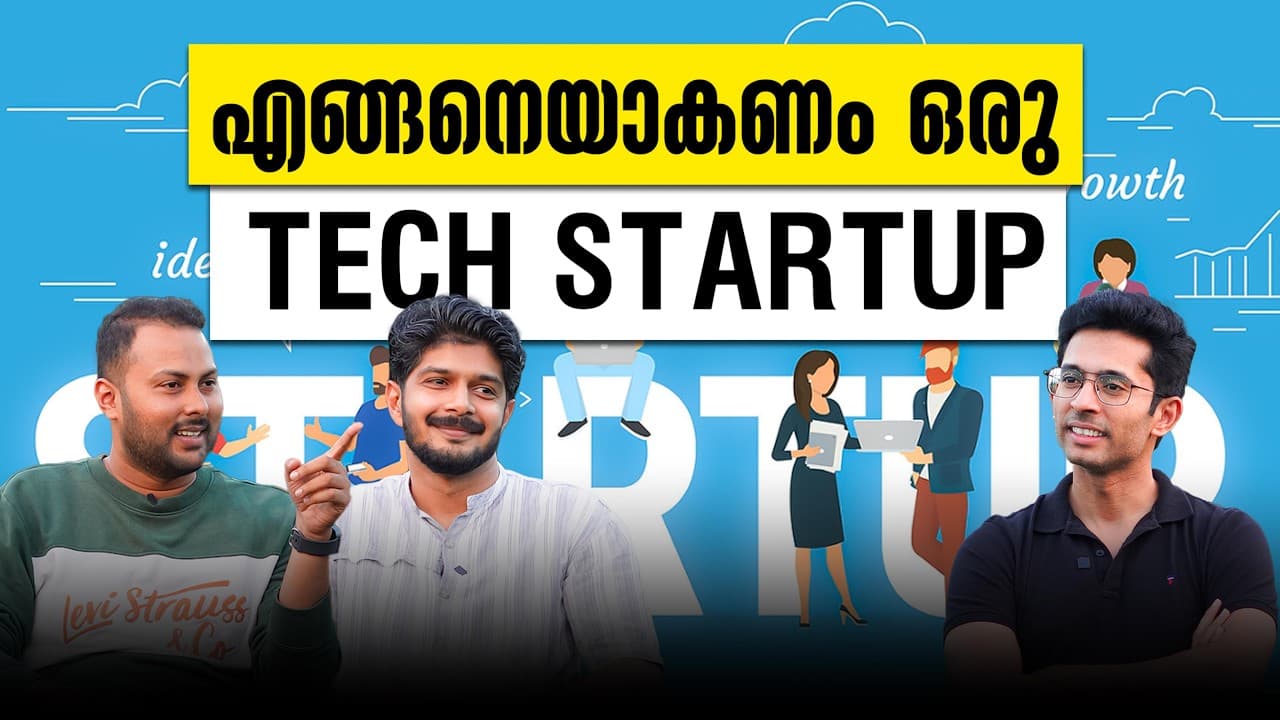
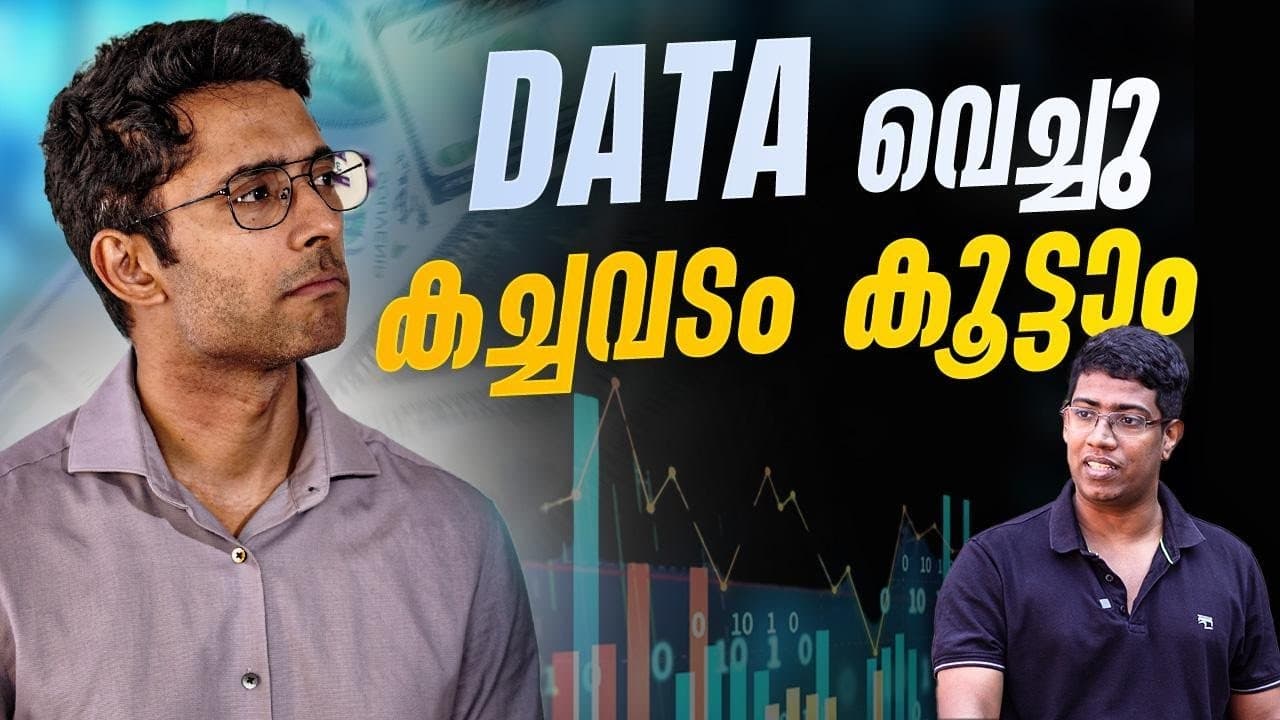
The conversation is in Malayalam. This page is an English summary of it. Watch on YouTube
About this episode
In this episode of The eCom Show, host Shan A Salam interviews Akshay Ranjith, founder of Purifit, an ecommerce brand specialising in shower and tap water filters. Operating from Kozhikode with a lean team of six people, Purifit generates over one crore rupees in monthly revenue. Akshay details his entrepreneurial beginnings, from selling homemade sponge dolls in school to studying entrepreneurship at EDII in Ahmedabad, Gujarat. He explains how learning about export-import data and identifying hard water issues in cities like Bengaluru led him to start Purifit with an initial investment of forty thousand rupees. The discussion covers Purifit's progression from importing an initial batch of sixty units to navigating inventory bottlenecks, securing collateral-free bank overdrafts through Amazon lending programmes, and transitioning from WooCommerce to Shopify to scale direct-to-consumer sales. Akshay also shares his plans for domestic contract manufacturing in Kerala, expanding into quick commerce via platforms like Blinkit, and maintaining personal discipline through yoga and meditation.
Key takeaways
- Identifying a widespread utility issue like hard water scaling can create a high-retention consumer product with recurring refill cartridge revenue.
- Analysing global export and import trade data using HS codes helps identify unaddressed product categories and viable target markets before launch.
- Rapid ecommerce growth often introduces severe inventory constraints, making collateral-free working capital and credit lines essential for scaling.
- Migrating from self-hosted platforms like WooCommerce to managed ecommerce systems like Shopify can drastically improve site conversion rates and reduce technical maintenance.
- Operating with a lean team and maintaining low personal overheads provides operational resilience during marketplace algorithmic volatility.
- Expanding into quick commerce platforms requires registering multiple Additional Places of Business to distribute inventory across local dark stores and micro-warehouses.
Chapters
- 00:00Introduction
- 08:40EDII (Entrepreneurship Development Institute of India)
- 16:35After EDII
- 26:08Loans from Amazon and Overdrafts (OD)
- 32:52International Expansion (UAE, UK, Germany & More)
- 36:51Competition
- 39:15Launching Own Website and First Free Logo
- 39:44Migrating to Shopify and the Impact
- 43:58Listed in Blinkit
- 46:50Content
- 49:47Customer Satisfaction
- 51:30The Health and Well-being of Akshay
- 53:02Wealth, Family Life, and Work Balance
- 56:49Lean Life and Key Takeaways
- D2C Brands
- Amazon Selling
- Ecommerce Sourcing
- Shopify Migration
- Quick Commerce